
Personal watercraft are not generally covered by homeowners or auto insurance, and where they are, the coverage limits can be fairly low. You may need to purchase a specifically designed policy in order to insure these vessels. The personal watercraft policy covers:
■ Bodily injury
■ Property damage
■ Guest passenger liability
■ Medical payments
■ Theft
Typical policies include deductibles of $250 for property damage, $500 for theft and $1,000 for medical payments, although these may vary from company to company.
Liability limits start at $15,000 and can be increased to $300,000. This coverage will provide financial protection if your personal watercraft is involved in an accident.
Most policies also include water sports liability, which covers risks associated with activities such as waterskiing.
Consider buying an umbrella policy which will provide more liability protection. One million dollars in extra coverage costs about $300 a year and would extend to your home and auto insurance policies.
If you have several personal watercraft, you may qualify for a multi-boat discount on your insurance. Additional coverage can also be purchased for trailers and other accessories.
Be sure to speak with your insurance agent or company representative about your specific needs.
Personal Watercraft Safety
Sea Doos, Wave Runners and other personal watercraft are fun and so easy to use that you can get a false sense of security; however, each year they cause thousands of serious injuries.
To safely enjoy your personal watercraft, the I.I.I. suggests the following:
■ Never follow directly behind another personal watercraft. Stay at least 100 yards behind the vessel in front, and no less than 50 yards to one side. Because these vessels can travel at a very high rate of speed, each rider must be able to react to sudden changes in order to avoid a collision. Eighty percent of all injuries and fatalities occur when two vessels collide with one another.
■ Don’t jump the wake of a passing boat. You could misjudge its speed and cause a collision. Or you might end up in the path of traffic coming from the other direction.
■ Stay alert! Be aware of what is going on around you. Steer clear of other watercraft, swimmers, divers, water skiers and fishermen.
For More Information Visit: Insurance Information Institute
Friday, June 10, 2011
Personal Watercraft
Tuesday, June 7, 2011
Lawnmower Safety

Each year, approximately 75,000 people are injured seriously enough by lawnmowers to require emergency room medical treatment. Only a small percentage of the injuries are caused by mechanical failure; most are the result of human error.
Here are some tips to follow before and while mowing your lawn:
Become familiar with your mower. Read the owner’s manual before using the mower for the first time. Note all safety and operating instructions. Learn the controls well enough to act instantly in an emergency and to stop the machine quickly.
Proper clothing is essential to protect your body from harm.Always wear non-slip shoes instead of tennis shoes or sandals. Steel-toe safety footwear offers the most protection against the blade. Long pants help protect your legs from objects that may be thrown from under the mower. Use ear plugs to prevent hearing loss caused by exposure to the high noise levels.
Never leave a mower running unattended.A mower left running unattended can be fascinating to a child. If the mower has an electric start, the key should never be left in the ignition.
Always start the mower outdoors. Never operate a mower where carbon monoxide can collect, such as in a closed garage, storage shed or basement.
Police the area.Before you satrt mowing, be sure the lawn is free of tree limbs, rocks, wires and other debris, which can get caught up in the blades.
The main source of danger is the blade. To perform its task efficiently, the mower blade must be sharp and travel at a high speed. If a hand or foot gets under the mower while the engine is running, it can cause serious injury. Never attempt to unclog or work on a lawnmower while the engine is on.
Disconnect the sparkplug wire.Any time it is necessary to reach under the mower, disconnect the spark plug wire to insure that the engine cannot start. It takes a little extra time, but not as long as it does to recover from a serious injury.
Check for frayed or cut wiring.When using an electric lawnmower, wires can easily get cut by the blade. Keep an eye on the wiring as you move the mower and check for frayed or cut wiring every time you mow.
For More Information Visit: Insurance Information Institute
Friday, May 27, 2011
Grilling Safety
 Americans enjoy more than three billion barbecues each year. But barbecuing can be dangerous, even deadly, if you are not careful.
The following tips can make your grilling experience safer:
1. When ready to barbecue, protect yourself by wearing a heavy apron and an oven mitt that fits high up over your forearm.
2. With gas grills, make sure the gas cylinder is always stored outside and away from your house. Make sure the valves are turned off when you are not using them. Check regularly for leaks in the connections using a soap and water mix that will show bubbles where gas escapes.
3. Barbecue grills should be kept on a level surface away from the house, garage, landscaping, and most of all, children.
4. For charcoal grills, only use starter fluids designed for those grills. Never use gasoline and use a limited amount of starter fluid. If the fire is too slow, rekindle with dry kindling and add more charcoal if necessary. Never add more liquid fuel or you could end up with a flash fire.
5. Be sure to soak the coals with water before you put them in the trash.
6. Always remember that grills remain hot long after you are through barbecuing.
In Case Of An Emergency
If you get burned, run cool water over the injury for 10–15 minutes. Never put butter or salve on burns because they will seal in the heat and cause further blistering. If you receive a serious burn the sooner you get medical attention the better.
For More Information Visit: Insurance Information Institute
Thursday, May 19, 2011
How Can I Save Money On Auto Insurance?
The price you pay for your auto insurance can vary by hundreds of dollars, depending what type of car you have and the insurance company you buy your policy from. Here are some ways to save money.
1. SHOP AROUND
Prices vary from company to company, so it pays to shop around. Get at least three price quotes. You can call companies directly or access information on the Internet. Your state insurance department may also provide comparisons of prices charged by major insurers. (State insurance department phone numbers and Web sites can be found on the back cover.)
You buy insurance to protect you financially and provide peace of mind. It’s important to pick a company that is financially stable. Check the financial health of insurance companies with rating companies such as A.M. Best (www.ambest.com) and Standard & Poor’s (www.standardandpoors.com/ratings) and consult consumer magazines.
Get quotes from different types of insurance companies. Some sell through their own agents. These agencies have the same name as the insurance company. Some sell through independent agents who offer policies from several insurance companies. Others do not use agents. They sell directly to consumers over the phone or via the Internet.
Don’t shop by price alone. Ask friends and relatives for their recommendations. Contact your state insurance department to find out whether they provide information on consumer complaints by company. Pick an agent or company representative that takes the time to answer your questions. You can use the checklist on the back of this brochure to help you compare quotes from insurers.
2. BEFORE YOU BUY A CAR, COMPARE INSURANCE COSTS
Before you buy a new or used car, check into insurance costs. Car insurance premiums are based in part on the car’s price, the cost to repair it, its overall safety record and the likelihood of theft. Many insurers offer discounts for features that reduce the risk of injuries or theft. To help you decide what car to buy, you can get information from the Insurance Institute for Highway Safety (www.iihs.org).
3. ASK FOR HIGHER DEDUCTIBLES
Deductibles are what you pay before your insurance policy kicks in. By requesting higher deductibles, you can lower your costs substantially. For example, increasing your deductible from $200 to $500 could reduce your collision and comprehensive coverage cost by 15 to 30 percent. Going to a $1,000 deductible can save you 40 percent or more. Before choosing a higher deductible, be sure you have enough money set aside to pay it if you have a claim.
4. REDUCE COVERAGE ON OLDER CARS
Consider dropping collision and/or comprehensive coverages on older cars. If your car is worth less than 10 times the premium, purchasing the coverage may not be cost effective. Auto dealers and banks can tell you the worth of cars. Or you can look it up online at Kelley’s Blue Book (www.kbb.com). Review your coverage at renewal time to make sure your insurance needs haven’t changed.
5. BUY YOUR HOMEOWNERS AND AUTO COVERAGE FROM THE SAME INSURER
Many insurers will give you a break if you buy two or more types of insurance. You may also get a reduction if you have more than one vehicle insured with the same company. Some insurers reduce the rates for long-time customers. But it still makes sense to shop around! You may save money buying from different insurance companies, compared with a multipolicy discount.
6. MAINTAIN A GOOD CREDIT RECORD
Establishing a solid credit history can cut your insurance costs. Most insurers use credit information to price auto insurance policies. Research shows that people who effectively manage their credit have fewer claims. To protect your credit standing, pay your bills on time, don’t obtain more credit than you need and keep your credit balances as low as possible. Check your credit record on a regular basis and have any errors corrected promptly so that your record remains accurate.
7. TAKE ADVANTAGE OF LOW MILEAGE DISCOUNTS
Some companies offer discounts to motorists who drive a lower than average number of miles per year. Low mileage discounts can also apply to drivers who car pool to work.
8. ASK ABOUT GROUP INSURANCE
Some companies offer reductions to drivers who get insurance through a group plan from their employers, through professional, business and alumni groups or from other associations. Ask your employer and inquire with groups or clubs you are a member of to see if this is possible.
9. SEEK OUT OTHER DISCOUNTS
Companies offer discounts to policyholders who have not had any accidents or moving violations for a number of years. You may also get a discount if you take a defensive driving course. If there is a young driver on the policy who is a good student, has taken a drivers education course or is away at college without a car, you may also qualify for a lower rate.
When you comparison shop, inquire about discounts for the following:*
Antitheft Devices
Auto and Homeowners Coverage with the Same Company
College Students away from Home
Defensive Driving Courses
Drivers Ed Courses
Good Credit Record
Higher deductibles
Low Annual Mileage
Long-Time Customer
More than 1 car
No Accidents in 3 Years
No Moving Violations in 3 Years
Student Drivers with Good Grades
*The discounts listed may not be available in all states or from all insurance companies.
The key to savings is not the discounts, but the final price. A company that offers few discounts may still have a lower overall price.
For More Information Visit: Insurance Information Institute
Sunday, May 1, 2011
Whether Your Wedding Is Royal or Not, Insuring Your Special Day Can Provide Important Financial Protection
RELATED LINKS
Wednesday, April 13, 2011
Owning a Home Without Homeowners Insurance
Unlike driving a car, you can legally own a home without homeowners insurance. But, if you have bought your home and financed the purchase with a mortgage, your lender will most likely require you to get homeowners insurance coverage. That’s because lenders need to protect their investment in your home in case your house burns down or is badly damaged by a storm, tornado or other disaster.
If you live in an area that is likely to flood, the bank will also require you to purchase flood insurance. Some financial institutions may also require earthquake coverage if you live in a region vulnerable to earthquakes. If you buy a co-op or condominium, your board will probably require you to buy homeowners insurance.
After your mortgage is paid off, no one will force you to buy homeowners insurance. But it is not advisable to cancel your policy and risk losing what you’ve invested in your home.
Thursday, March 31, 2011
Remodeling Your Home
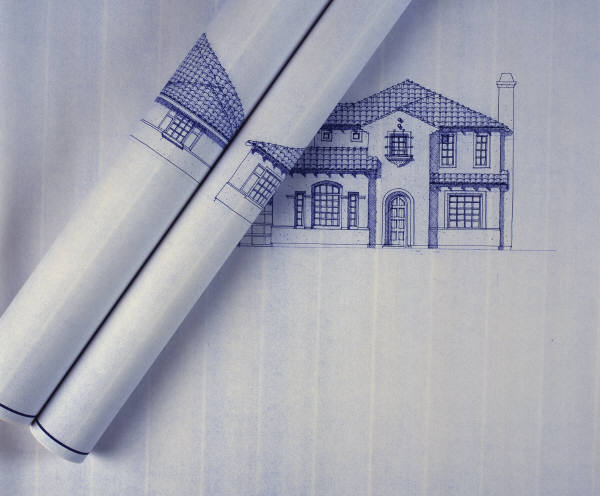
If you plan to remodel your home, make sure that the house, the contractor and the subcontractors have adequate insurance coverage.
Don’t make the mistake of waiting until an addition or extra room is completed to increase the insurance coverage on the structure of your home. If the new addition is destroyed or damaged before insurance coverage has been increased, you may be responsible for the cost of repairing or rebuilding the addition.
Contact your insurance agent or representative before—or shortly after—construction begins in order to increase the insurance coverage on your house to an amount that reflects the higher value of the rebuilt structure.
When hiring a general contractor, find out if the contractor has workers compensation and ask to see a copy of the policy. Workers compensation pays for medical and rehabilitation expenses and covers lost wages if the workers sustain injuries on the job. Injured workers may sue you if the contractor does not have proper insurance.
In most home improvement projects, the contractor subcontracts the builders, electricians and plumbers. The workers hired may not be full-time employees of the contractor and therefore not covered under the contractor's workers compensation policy. While some independent builders, electricians and plumbers may carry their own workers compensation coverage, others may not.
You should verify the insurance coverage of the contractor and the subcontractors. If the coverage is insufficient, you may need to fill in the gaps by extending the limits of the liability portion of your homeowners policy.
If you purchase additional items, such as furniture, exercise equipment or electronics, you may need to increase the amount of insurance you have on your personal possessions. Keep receipts and add them to your home inventory.
For More Information Visit: Insurance Information Institute